
Resources · technical articles
Water Treatment Resources
Articles on UV disinfection, ozone water treatment, equipment selection and application planning.
Latest resources
UV, ozone and application guidance
Browse the current article library. Older articles are being reviewed to align product claims with the present water-treatment focus.
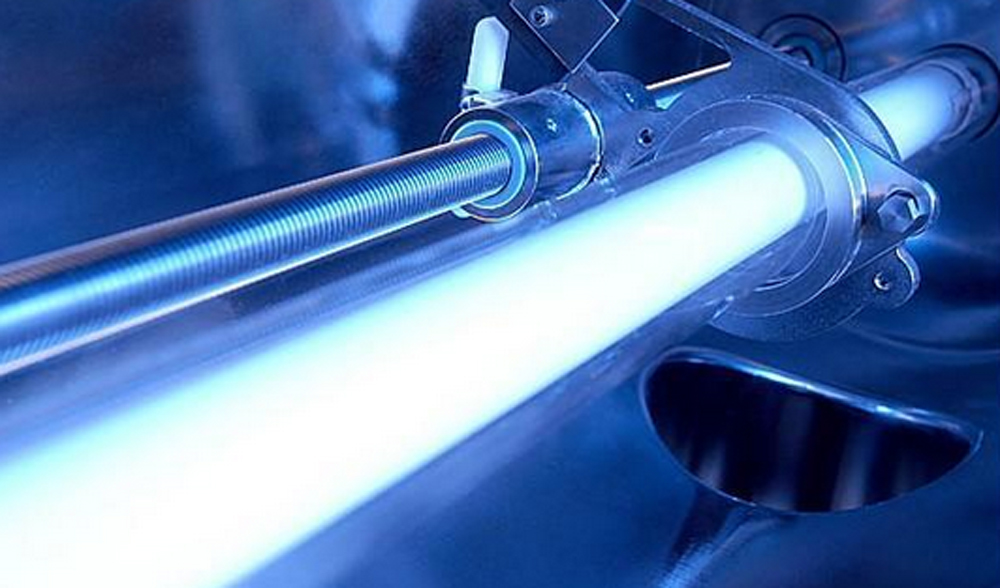
UV Water Treatment and Other Household Water Solutions
Clean water is a necessity for all of us. Despite being a necessity, some 1.1 million people are estimated to fall ill each year from drinking water that has not been properly treated. Many people depend on tap water for their livelihood. However, due to
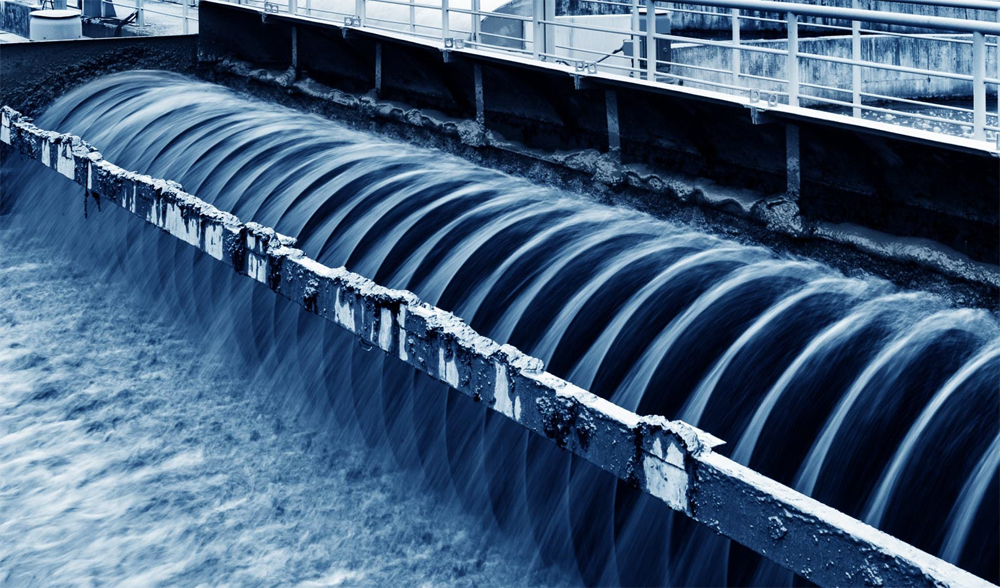
Common Wastewater Treatment Methods
Wastewater treatment has never been so crucial since it more and more comes from many sources today. So many factories, especially those in chemical, printing and dyeing, electroplating industries, produce a great deal of wastewater. In agriculture, harmful ingredients of pesticides flow from farms into
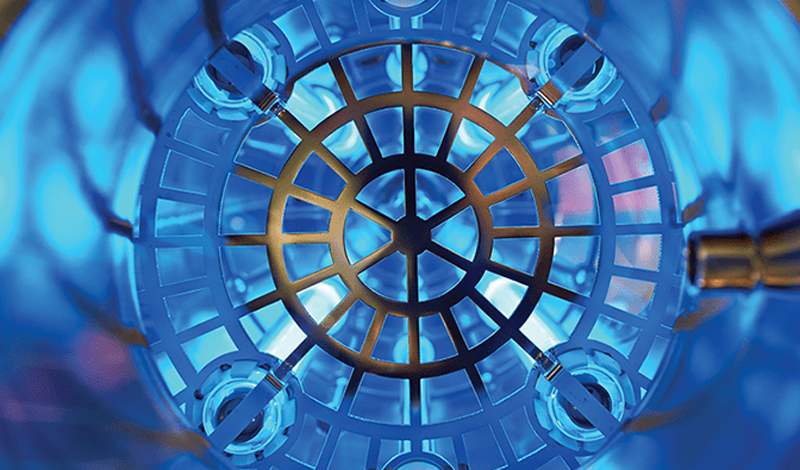
Water Reuse through UV Water Treatment
Although the Earth is rich in fresh water resource, it is not inexhaustible. Moreover, the distribution of fresh water resources is uneven in time and space. The vast majority of fresh water is found in the North and South poles of the Earth. The fresh
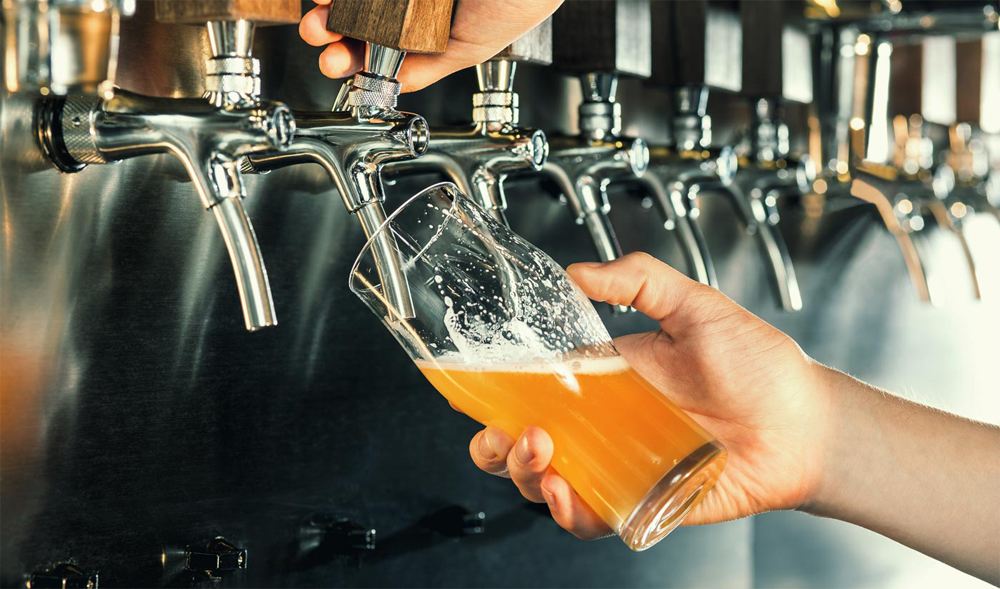
UV Water Treatment in Food and Beverage Production
In the food and beverage production industry, the pursuit of hygiene and health is always the goal. With today's increasingly serious water pollution, people's attention to the water safety in the food and beverage production industry is also increasing. In the municipal water supply system,
UV Water Treatment and Chlorination Treatment
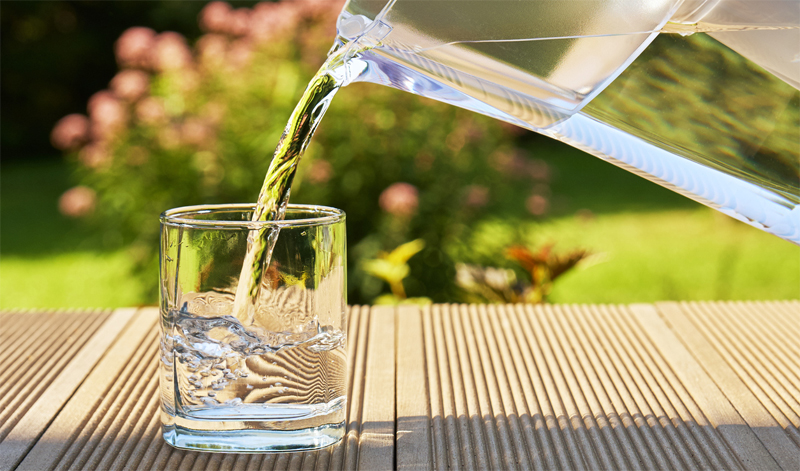
Tap water must be pure. However, with the discovery of more and more sources of water pollution, our demand for water purity is higher than ever before. Insufficiently purified tap water can contain a variety of bacteria, viruses, and other harmful microorganisms. There are many
UV Water Treatment to Kill Legionella
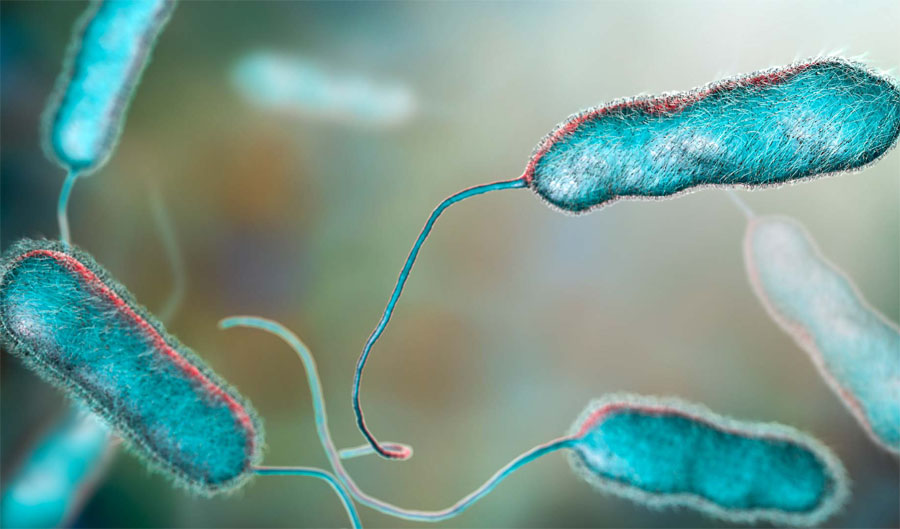
In 1976, a mysterious disease broke out in Philadelphia, USA. 221 people fell in ill, in which 34 people died later. In 1977, the disease had been known as legionnaires' disease because it affected veterans. Later, research revealed that the bacterium that causes the disease
UV Ballast Water Treatment
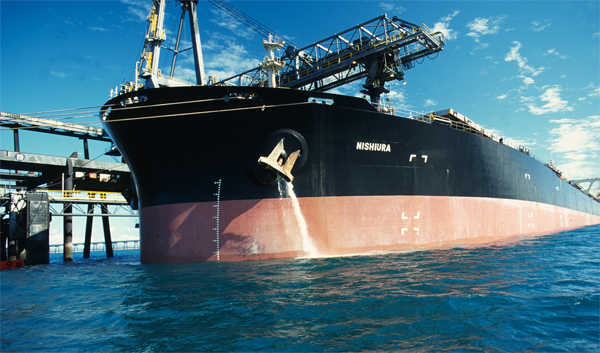
Ballast water is specially injected into the ship to maintain the ship's balance, adjust the position of the ship's center of gravity and the distribution of weight. Ballast water is stored in the ballast tank of a ship. For a ship without cargo, the right
Advantages and Disadvantages of UV Water Treatment
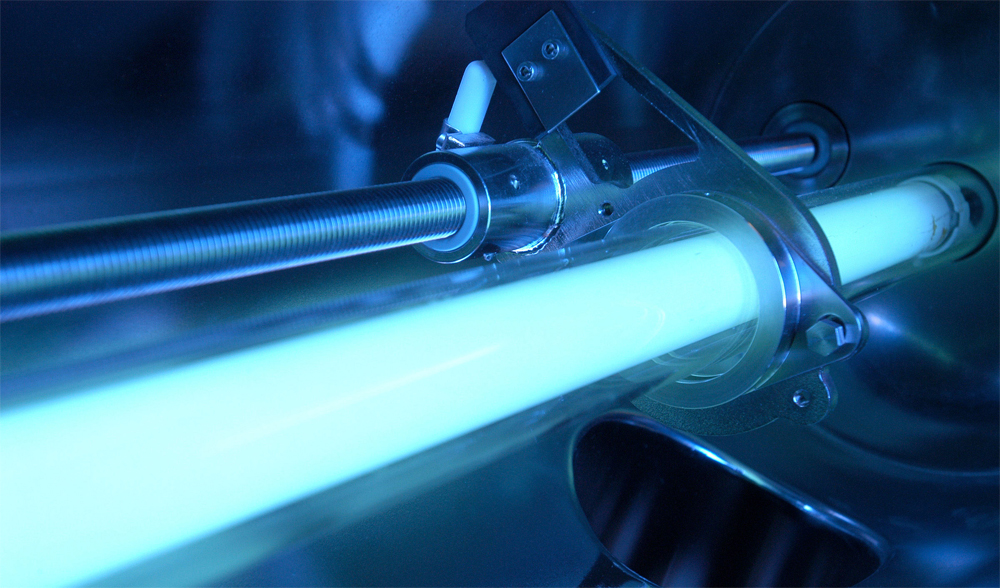
As people pay more attention to the problem of water pollution, a variety of water treatment solutions is increasingly appearing in our homes, communities, factories and many industries. In our homes, whether the water used is tap water or from private well, a set of
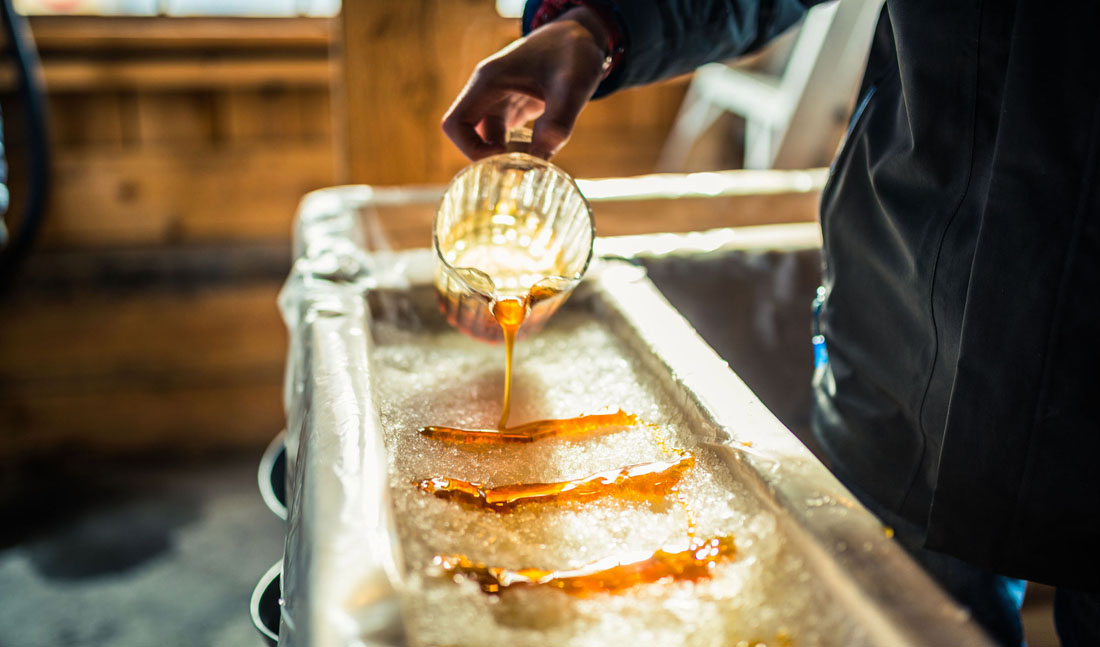
Liquid Sugar UV Sterilization
With higher requirements for food safety today, liquid sugar is required to be produced according to stricter quality standards. In the production of liquid sugar, although the concentrated syrup itself contains high osmotic pressure, which prevents some bacteria and microorganisms from reproducing. But such pressure

Guide to Swimming Pool UV Sterilization
Swimming pool UV sterilization has become an inevitable trend with people’s growing concern of water-borne infectious diseases. In recent years, the emergence of health regulations for swimming pools has led to the consideration of further improvement of the water quality. Using UV light to sterilize
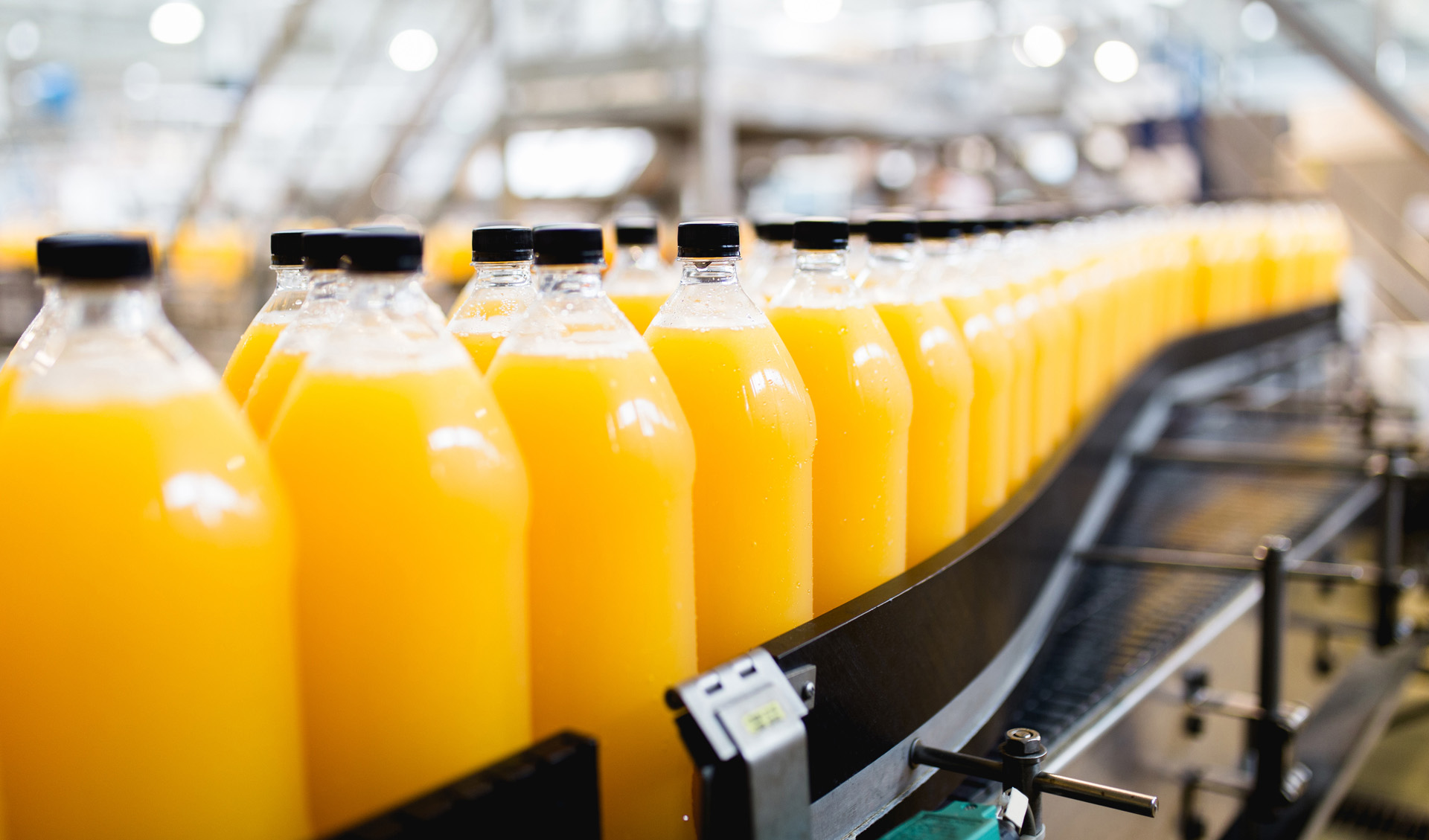
Beverage UV Sterilization
The use of ultraviolet to kill contaminants and ensure food safety dates back to the 1850s. In the production of beverages and drinking water, water-borne microorganisms can adversely affect the flavor, color and shelf-life of the products. To overcome this problem, one of the top
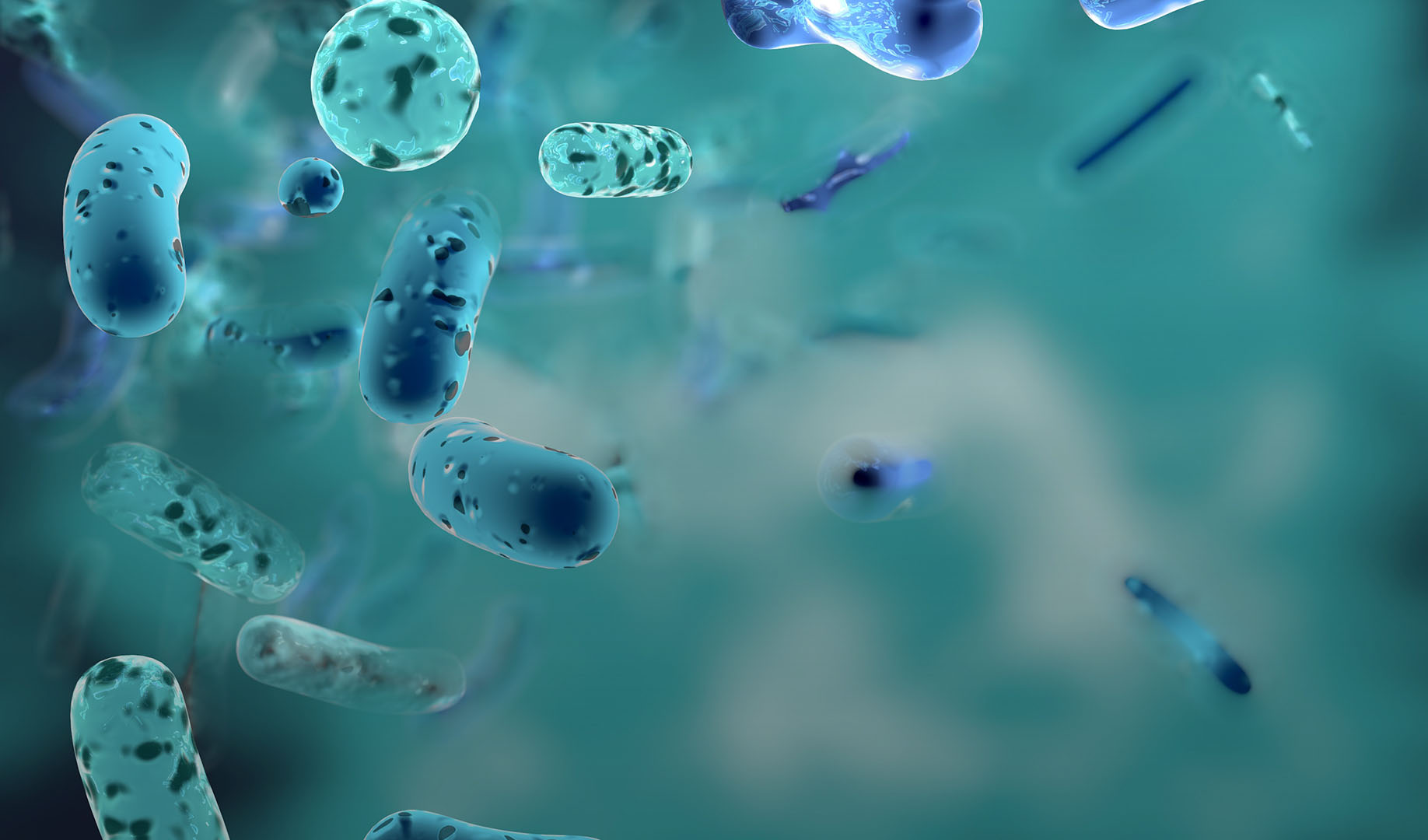
Influencing Factors in UV Water Treatment
At present, water treatment methods can be basically divided into two categories. One is chemical sterilization and the other is physical sterilization. Chemical sterilization method is basically chlorination, and physical sterilization method is basically ultraviolet. There will always be a certain amount of sterilization by-products
Article not enough?
Send the real water conditions
We can turn a general selection question into an application checklist.